
A new dog at home
The First Weeks With a Rescue Dog: Helping Them Settle
In the first weeks with a rescue dog, watch this dog's patterns instead of expecting a set countdown. Give the dog room to settle, note what changes, and ask for help when health or behavior raises a concern.
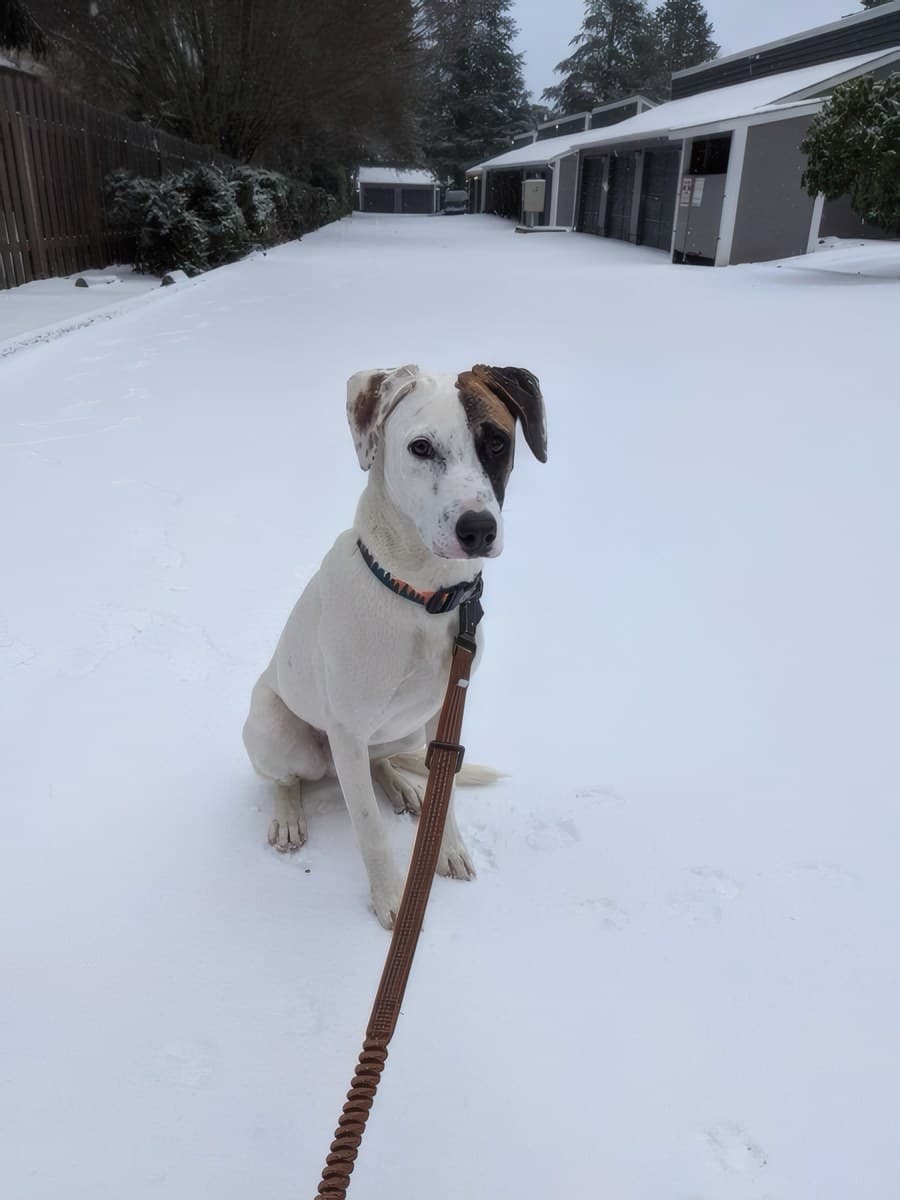
Give the dog room to choose
A quieter setting and the ability to approach or move away can make a new situation easier to read, especially for a dog that seems unsure.
The Maryland SPCA's fearful and shy dog handout recommends giving a worried dog space and observing its response in context. That is useful guidance when a dog seems fearful; being a rescue does not itself tell you its past or diagnose fear. Notice whether the dog chooses to come closer, moves away, or seems more at ease when the room is calmer.
Notice what changes in everyday situations
Look for patterns in ordinary moments, such as resting, hearing a visitor arrive or moving through a doorway.
One hard moment does not tell the whole story. Record what was happening and what changed afterward. If a dog leaves a busy room and rests in a quieter one, you have learned something about that setting. You have not proved a cause or set a permanent limit on the dog.
Keep a useful rescue dog settling record
A few plain notes can show what situations are getting easier and give a professional a clearer starting picture if you need help.
| Situation | What the dog did | What changed |
|---|---|---|
| Illustrative example: visitor entered the room | Dog stepped back and watched | Dog rested after the room became quiet |
| Your observation | Describe the action | Note the next change |
Keep the example separate from your dog's history. Do not arrange a difficult encounter just to fill in a row.
Know when to ask for help
Ask a veterinarian about a sudden health or behavior change. For persistent fear, threatening behavior or uncertainty about safety, seek qualified behavior help.
AVSAB's guidance on choosing a trainer can help with that choice. If you are considering Raja, rescue dog training starts with an individual evaluation. The dog's training needs, comfort with the group and fit for shared travel are considered separately. Read how behavior labels differ if a reaction is part of your concern.