
Training
Dog training programs. Three levels, one starting point.
Every dog here learns from the moment it arrives. What changes between the levels is not whether your dog is being taught. It is how much one on one time it gets, and how specific the work is.
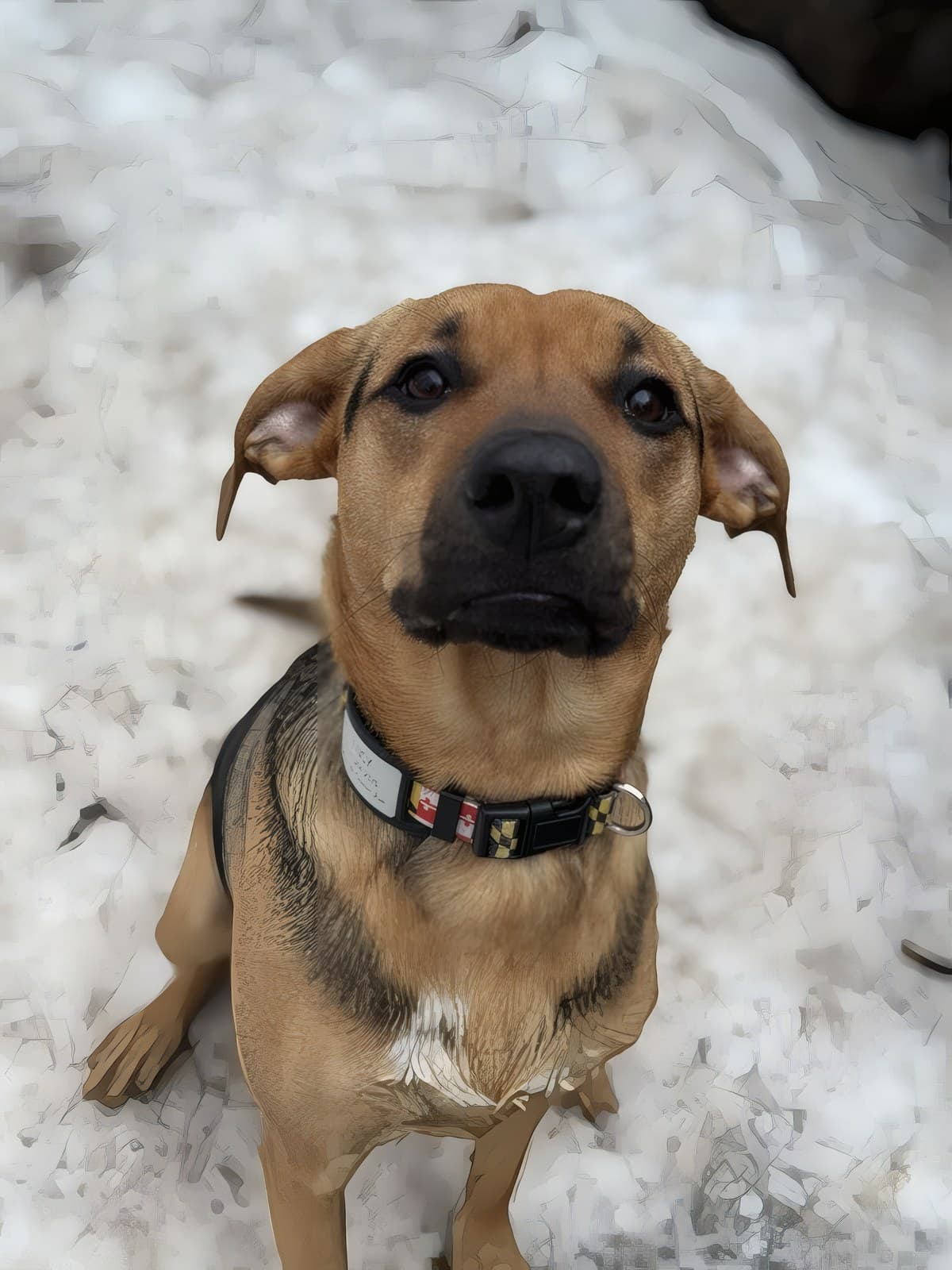
Dog training levels
Basic
IncludedIncluded with every daycare and boarding day.
Dogs here are managed, not just watched. They learn to read other dogs, come when called, keep off people and counters, and settle indoors once the running is done. Outside is for play. Inside is for settling. Most owners notice that one at home first.
Foundational
One-on-one sessions on top of the day.
Recall, loose leash walking, sit, down, stay, place, waiting at doors, and greeting people without jumping. Then we take each skill somewhere new, because a dog that only listens in our yard has not really learned it.
Specialized
Built around one thing you name.
Leash reactivity, fear of people or dogs, barrier frustration, separation problems, off-leash reliability, or a goal like agility or sport work. More time on that one thing, and time spent showing you how to hold it at home.
Choosing a dog training program
Choose the work, then the day or stay
Start with what you want your dog to do more comfortably. The training level describes that work. Daycare or an overnight stay describes how it fits into your week.
For everyday care routines, Basic is already part of daycare and boarding. If your dog needs individual practice on several skills, such as leash walking and settling, Foundational adds that time. If one concern needs focused work, such as reactions to passing dogs, Specialized gives that goal its own plan.
Two dogs staying overnight can need different training levels. A stay is a care arrangement, not a measure of how much training a dog needs. The evaluation helps choose both together.
Level 1. Included
Basic
What the day teaches on its own
Every dog here is learning from the moment it arrives, whether or not anyone is paying for training. The tiers do not differ in whether your dog learns. They differ in how much one on one instruction it gets.
- Reading other dogs, and being read by them. Body language, boundaries, when to back off.
- Confidence for the shy ones. We advocate for a nervous dog and give it space from the group until it wants in, rather than throwing it into the middle.
- Regulation for the loud ones. A dog that arrives at maximum learns it does not have to stay there all day.
- Patience around food, doors, people and anything exciting.
- Getting used to normal noise, movement and several different handlers.
- Coming back to its name, so any dog can be recalled and redirected if the group needs managing.
- Off people, off doors, off furniture, off counters.
- Settling indoors after outdoor play, and respecting other dogs' space while doing it.
Leash work and formal stay work are not part of Basic. Those start at Foundational.
Level 2
Foundational
Skills, then the same skills somewhere else
Dedicated one on one sessions on top of the day. This is where a dog stops being well managed and starts being trained.
- Recall you can rely on
- Loose leash walking
- Sit, down, and stay with real duration
- Place and settling on a bed
- Waiting at doors instead of bolting them
- Greeting people without jumping
- Retrieving
- Impulse control
- Working while something interesting is happening nearby
- Confidence in places the dog has never been
The part that matters most is the last one. We take each behaviour somewhere new on purpose, because a dog that only listens in our yard has not learned the behaviour. It has learned the yard.
Level 3
Specialized
One problem, and the time to actually solve it
You name the thing. We build the plan around it and spend significantly more time on it than a general program allows.
- Leash reactivity
- Fear of people, or of other dogs
- Barrier frustration
- Separation related behaviour
- Advanced socialisation for dogs that missed it
- Off leash reliability
- Advanced obedience
- Public access preparation
- Trick training, agility foundations, sport work
- Rehabilitation after a bad experience somewhere else
The goal is never a dog that performs for us. Most of the effort goes into showing you how to hold it at home, because that is where the dog actually lives.
Two named programs
For the dogs that need something more specific
These sit alongside the levels rather than above them. Most of the dogs in them are rescues, and several arrived after somewhere else had run out of ideas.
Behaviour Rehabilitation
Reactive, fearful and aggressive dogs.
Dogs that lunge, bark, guard, or cannot be walked without a fight. Most of the dogs we take on are rescues, and several arrived after somewhere else had given up.
Off Leash
Dogs that are reliable on leash and ready for more.
Recall and control without a line, built in stages and proofed against real distraction. This is a later step, not a starting point.
Rescue dog training
A new dog with an unknown or difficult history
Start with the dog in front of you. The evaluation separates normal transition stress from fear, reactivity, or another problem that needs its own plan.
“We have a large dog that grew more and more reactive and territorial as he grew into adulthood. Michael and his team spent a week boarding and training our dog to wear a muzzle and respond less aggressively to stranger dogs and people. Then Michael trained us how to better guide our dog's behavior and has provided tuneups ever since.”
Before any of it
Everyone starts with an evaluation
The evaluation gives us a baseline: what your dog can do now, what you want to improve, and whether regular care or specialized training is the right first step.
Book an evaluation$125 at your home, $50 at the farm. Your full evaluation payment is credited toward your first purchase.
Questions
About the programs
- Do training levels decide whether my dog stays overnight?
- No. The level describes the work; the format describes the stay. Daycare with training means your dog comes home each night. Boarding with training includes an overnight stay. The evaluation helps choose the work and the format together.
- Which level does my dog need?
- That is what the evaluation is for. Basic is included in daycare and boarding. Foundational adds one on one work on general skills. Specialized focuses on a specific problem or goal. The evaluation sets a starting plan that can change as your dog responds.
- Is Basic really included?
- Yes. Every daycare and boarding day includes it at no extra cost. We do not run a version of this where your dog is only supervised.
- How long does training take?
- It depends on the dog and the goal. The evaluation sets a starting plan, and the work can change as your dog responds.
- Will it still work once my dog is home?
- Michael shows you what changed and what to keep doing at home. If more help in the home would be useful after the main program, that can be added separately. The evaluation and the work itself tell us whether you need it.
- Can you help with an aggressive dog?
- Often, yes. Most of the dogs we take on are reactive, fearful or aggressive, and many are rescues. The evaluation decides it, not the label on the dog.
Dog training by area
Pickup connects the DMV to the Mt. Airy farm.
These pages answer the local pickup and training question. Raja does not have a branch in these cities. Every dog is evaluated before the first collection or training plan.
Start with the evaluation.
An hour with your dog, in your home or at the farm. You will know what it needs and whether we are the right people to do it.
$125 at your home, $50 at the farm. Your full evaluation payment is credited toward your first purchase.